

Sodium Benzoate Supplier Selection Guide 2026 | Quality Standards & Certifications

In the complex landscape of B2B chemical procurement, selecting the right sodium benzoate suppliers can mean the difference between seamless production and costly supply chain disruptions. As a critical preservative in food manufacturing, pharmaceutical formulations, and industrial applications, sodium benzoate demands unwavering quality standards and regulatory compliance. This comprehensive guide equips procurement managers, quality directors, and operations leaders with the strategic framework needed to identify, evaluate, and partner with suppliers who deliver consistent excellence.
Understanding Sodium Benzoate: The Foundation of Informed Procurement
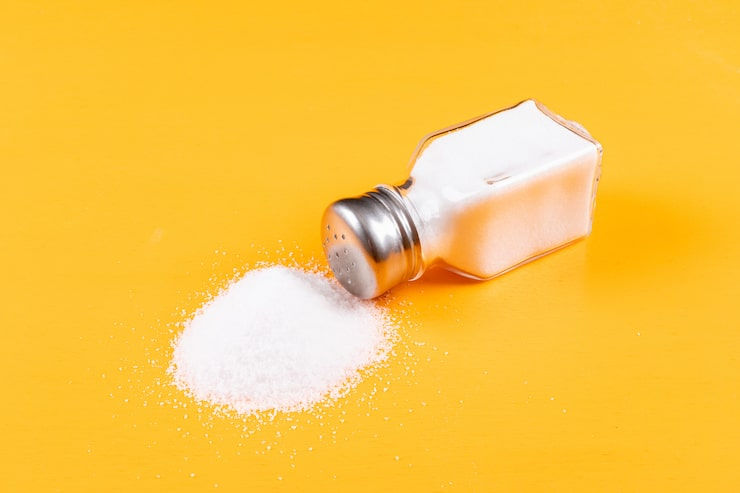
Sodium benzoate (CAS 532-32-1) is the sodium salt of benzoic acid, appearing as a white crystalline powder or granular substance with the chemical formula C₇H₅NaO₂. This antimicrobial preservative works by converting to benzoic acid in acidic environments (pH 3.0-4.5), where it penetrates microbial cell membranes to inhibit bacterial, yeast, and mold growth. With 22% of the $1.1 billion U.S. food preservatives market share, sodium benzoate commands significant procurement attention across multiple industries.
Sodium Benzoate Quick Reference Guide
Property | Specification | Significance |
Chemical Formula | C₇H₅NaO₂ | Sodium salt of benzoic acid |
CAS Number | 532-32-1 | Universal chemical identifier |
Molecular Weight | 144.11 g/mol | Dosage calculations |
Appearance | White crystalline powder/granules | Quality indicator |
Solubility (Water) | 630 g/L at 20°C | Easy incorporation in formulations |
Optimal pH Range | 2.5-4.5 | Maximum antimicrobial activity |
Purity (Food Grade) | ≥99.0% | FCC standard |
Purity (Pharma Grade) | ≥99.5% | USP/BP/EP standard |
Typical Use Level | 0.05-0.1% (500-1,000 ppm) | FDA GRAS guidance |
Market Price (2025) | $1,750-$2,500/MT FOB | Procurement planning |
The compound's effectiveness stems from its dual nature as both a water-soluble salt and a lipophilic acid. When dissolved in acidic formulations like beverages, condiments, or pharmaceutical syrups, sodium benzoate partially converts to undissociated benzoic acid—the active antimicrobial form.
This unique mechanism makes it indispensable for preserving products with pH levels below 4.5, including carbonated beverages, fruit juices, pickles, and liquid medications.
Understanding these fundamental properties is essential for procurement professionals because it directly influences supplier selection criteria. A supplier must demonstrate not only chemical purity but also comprehensive knowledge of how their sodium benzoate performs across different pH ranges, temperatures, and formulation matrices. This technical expertise separates commodity vendors from strategic supply partners.
The High Cost of Poor Supplier Selection: Why Quality Matters
Recent industry data reveals that 59% of chemical buyers fear non-compliance fines exceeding $500,000, while 71% experience decision paralysis from volatile pricing and supply disruptions. These statistics underscore a critical reality: choosing the wrong sodium benzoate supplier creates risks that far exceed initial cost savings.
Consider the cascade of consequences from substandard sodium benzoate: a food manufacturer discovers microbial contamination in a beverage batch due to low-purity preservative, triggering a multi-state recall costing $2.3 million in product destruction, legal fees, and brand damage. A pharmaceutical company faces FDA warning letters when heavy metal impurities in their sodium benzoate exceed acceptable limits, halting production for six weeks while they qualify new suppliers. These scenarios aren't hypothetical—they represent the real financial and reputational stakes of supplier selection.
The hidden costs extend beyond obvious failures. Inconsistent purity levels between batches force R&D teams to reformulate products, wasting valuable time and resources. Poor supplier responsiveness delays production schedules, creating costly downtime. Lack of proper documentation complicates audits and regulatory inspections. When you factor in these operational inefficiencies, the true cost of poor supplier selection often exceeds 15-25% of annual procurement spending.
Smart buyers recognize that supplier selection represents a strategic investment in operational excellence, not merely a purchasing transaction. The right partner delivers consistent quality, transparent communication, technical support, and regulatory expertise—creating value that compounds over years of partnership.
Critical Quality Standards and Specifications for Sodium Benzoate

High-quality sodium benzoate must meet rigorous specifications established by international regulatory bodies and industry standards organizations. Understanding these benchmarks enables you to evaluate supplier claims objectively and ensure your procurement decisions align with your application requirements.
Purity Requirements and Testing Methods
Premium sodium benzoate should achieve minimum 99.0% purity for food-grade applications and 99.5% or higher for pharmaceutical-grade uses. This purity is determined through validated analytical methods including High-Performance Liquid Chromatography (HPLC-UV), Liquid Chromatography-Mass Spectrometry (LC-MS/MS), and spectrophotometry. Each batch should come with a Certificate of Analysis (COA) documenting the actual purity achieved through these standardized testing protocols.
Food Grade vs. Pharmaceutical Grade Specifications Comparison
Parameter | Food Grade (FCC) | Pharmaceutical Grade (USP/BP/EP) | Test Method |
Assay (Purity) | ≥99.0% | 99.0-100.5% (dried basis) | HPLC, Titrimetry |
Appearance | White powder/granules | White crystalline powder | Visual inspection |
Loss on Drying | ≤1.5% | ≤2.0% | Gravimetric (105°C) |
pH (5% solution) | 7.0-8.5 | 7.0-8.5 | pH meter |
Chloride (Cl) | ≤0.05% | ≤0.02% | Ion chromatography |
Heavy Metals (as Pb) | ≤0.001% | ≤0.001% | AAS, ICP-MS |
Arsenic (As) | ≤0.0002% | ≤0.0002% | ICP-MS |
Sulfate (SO₄) | Not specified | ≤0.1% | Ion chromatography |
Readily Carbonizable | Passes test | Passes test | Sulfuric acid test |
Organic Volatile Impurities | Not specified | Meets USP <467> | GC-MS |
Microbial Limits | <1,000 CFU/g | <100 CFU/g | USP <61>, <62> |
Particle Size | Not specified | 80% through 40 mesh | Sieve analysis |
Certificate of Analysis (COA) Essential Elements
A comprehensive COA should include the following information:
📋 COA MUST CONTAIN:
1. PRODUCT IDENTIFICATION
• Product name: Sodium Benzoate
• Grade: Food Grade / USP / BP / EP
• Batch/Lot number
• Manufacturing date
• Expiration/Retest date
2. ANALYTICAL RESULTS
• All tested parameters with results
• Specification limits for each parameter
• Pass/Fail status for each test
• Test methods used (e.g., HPLC, pH meter)
3. TRACEABILITY
• Manufacturing facility identification
• QC analyst name/signature
• QA manager approval/signature
• Certificate issue date
• Reference to applicable standards (FCC, USP, etc.)
4. ADDITIONAL INFORMATION
• Storage conditions
• Packaging details
• Net weight/volume
• Country of origin
• Supplier contact information
The COA serves as your quality assurance roadmap, detailing not just purity but also critical parameters like moisture content (typically ≤1.5% for food grade, ≤2.0% for pharmaceutical), pH values (7.0-8.5 for 5% aqueous solution), chloride content (≤0.05% for food grade, ≤0.02% for pharmaceutical), and heavy metal limits (≤0.001% for pharmaceutical applications, ≤0.01% for food grade).
Modern QA/QC laboratories employ cross-method verification, running duplicate samples through multiple analytical techniques to ensure reported values are accurate. HPLC with photodiode array (PDA) or UV detection provides precise quantification of sodium benzoate and any impurity compounds. Routine proficiency testing against certified reference materials maintains analytical precision and accuracy, giving you confidence in the data supporting your purchase decisions.
International Pharmacopeia and Food Standards Compliance
Different applications require compliance with specific compendial standards:
Food Chemicals Codex (FCC): The standard for food-grade sodium benzoate in the United States, establishing specifications for identity, purity, labeling, and proper usage. FCC compliance ensures your sodium benzoate meets FDA requirements for food additive applications.
United States Pharmacopeia (USP): Required for pharmaceutical applications, USP-grade sodium benzoate meets stringent criteria for use in drug formulations, including tighter controls on impurities, residual solvents, and microbial limits.
European Pharmacopoeia (Ph.Eur./EP): Essential for suppliers targeting European markets, with specifications that often align closely with USP but may include additional testing requirements.
British Pharmacopoeia (BP): Traditional standard for UK and Commonwealth countries, maintaining high-quality benchmarks for pharmaceutical applications.
Japanese Pharmacopoeia (JP): Required for the Japanese market, with unique testing protocols and acceptance criteria.
A truly versatile supplier maintains certifications across multiple pharmacopeias, demonstrating their capability to serve diverse global markets. This flexibility becomes invaluable as your business expands internationally or as you source from multiple facilities to mitigate supply risk.
Physical and Chemical Properties Verification
Beyond chemical purity, sodium benzoate must meet physical specifications that ensure proper handling, storage, and formulation performance. Particle size distribution affects dissolution rates and product texture—crystalline powder forms typically show particle sizes between 100-500 microns, while granular forms may range from 0.5-2.0mm. Bulk density influences packaging efficiency and dosing accuracy, typically falling between 0.5-0.7 g/cm³ for powder and 0.6-0.8 g/cm³ for granular forms.
Appearance standards require white to off-white color with no visible foreign matter or discoloration. Solubility testing confirms the material dissolves readily in water (1g in approximately 1.8mL at 25°C), ensuring it performs as expected in aqueous formulations. Loss on drying measurements verify moisture content stays within acceptable limits, preventing microbial growth during storage and maintaining accurate concentration in final products.
Your supplier should provide comprehensive testing data for all these parameters, not just assay values. This complete characterization demonstrates their commitment to quality control and gives your R&D team the information needed to optimize formulations.
Essential Certifications and Compliance Documentation
In today's regulatory environment, certifications serve as your first line of defense against quality failures and compliance violations. Top-tier sodium benzoate suppliers maintain a robust portfolio of third-party certifications that validate their quality management systems, food safety protocols, and manufacturing practices.
Essential Certifications Comparison Matrix
Certification | Scope | Key Requirements | Renewal Frequency | Importance Level |
ISO 9001 | Quality Management System | Documented procedures, continuous improvement, internal audits | Every 3 years | ⭐⭐⭐⭐⭐ Critical |
FSSC 22000 | Food Safety System | HACCP, GMP, food defense, allergen management | Annual surveillance | ⭐⭐⭐⭐⭐ Critical (Food) |
GMP (cGMP) | Good Manufacturing Practices | Facility design, equipment validation, process controls | Ongoing/FDA audits | ⭐⭐⭐⭐⭐ Critical (Pharma) |
FDA GRAS | Generally Recognized As Safe | Safety data, regulatory compliance, proper labeling | N/A (status) | ⭐⭐⭐⭐⭐ Required (USA Food) |
Kosher | Religious dietary compliance | Ingredient sourcing, production oversight | Annual | ⭐⭐⭐⭐ High (Specific markets) |
Halal | Religious dietary compliance | Ingredient sourcing, Islamic principles | Annual | ⭐⭐⭐⭐ High (Specific markets) |
REACH | EU Chemical Registration | Safety assessment, exposure scenarios | Ongoing | ⭐⭐⭐⭐ High (EU markets) |
HACCP | Hazard Analysis Critical Control | Risk assessment, critical control points | Annual | ⭐⭐⭐⭐ High (Food/Pharma) |
ISO 14001 | Environmental Management | Environmental impact reduction | Every 3 years | ⭐⭐⭐ Medium (CSR) |
ISO 45001 | Occupational Health & Safety | Worker safety programs | Every 3 years | ⭐⭐⭐ Medium (Safety) |
Certification Red Flags 🚩
❌ Certificate is expired or approaching expiration
❌ Certificate covers only corporate HQ, not manufacturing facility
❌ Unable to provide certificate copies or registration numbers
❌ Certifications claimed but not issued by accredited bodies
❌ Vague statements like "ISO compliant" without actual certification
❌ Delays or excuses when requesting certification documentation
Certification Verification Checklist ✓
✅ Certificate includes facility address where your product is manufactured
✅ Certification body is accredited (IAF, UKAS, ANAB, etc.)
✅ Certificate number can be verified on issuing body's website
✅ Scope of certification covers sodium benzoate production
✅ Certificate is current with valid dates clearly shown
✅ Surveillance audit reports available upon request
ISO 9001: Quality Management System Foundation
ISO 9001 certification demonstrates a supplier has implemented a comprehensive quality management system with documented procedures for all aspects of their operations—from raw material receiving through final product release. This international standard ensures consistent processes, continuous improvement mechanisms, and clear responsibility assignments throughout the organization.
For sodium benzoate procurement, ISO 9001 certification signals the supplier maintains detailed batch records, calibrated equipment, trained personnel, and systematic approaches to preventing quality issues before they occur. The certification requires regular third-party audits, ensuring the supplier's quality system remains current and effective.
When evaluating suppliers, verify their ISO 9001 certificate is current (typically renewed every three years) and covers the specific facility manufacturing your sodium benzoate. Some companies hold certificates only for sales offices or corporate headquarters, not production sites—a critical distinction that impacts actual manufacturing quality.
FSSC 22000: Food Safety System Certification
For food-grade sodium benzoate, FSSC 22000 certification represents the gold standard in food safety management. This comprehensive certification combines ISO 22000 requirements with additional prerequisite programs specific to food manufacturing, including HACCP (Hazard Analysis and Critical Control Points) principles, GMP (Good Manufacturing Practices), and food defense measures.
FSSC 22000 certification demonstrates the supplier has systematically identified all potential food safety hazards—biological, chemical, and physical—and implemented controls to prevent contamination at every step of production. This includes rigorous sanitation protocols, allergen management (critical even for chemical facilities that may process multiple products), pest control programs, and traceability systems that enable rapid recall if needed.
The certification's recognition by the Global Food Safety Initiative (GFSI) means it satisfies retailer and brand owner requirements worldwide, reducing your audit burden and simplifying supplier qualification. When a supplier holds FSSC 22000 certification, you gain confidence their sodium benzoate meets the stringent safety standards expected in today's food supply chain.
GMP Compliance for Pharmaceutical Applications
Pharmaceutical-grade sodium benzoate requires manufacturing under Good Manufacturing Practices (GMP) as defined by FDA regulations in 21 CFR Parts 210 and 211. GMP certification ensures the supplier maintains appropriate facility design, equipment qualification, process validation, and quality control procedures for producing materials intended for drug manufacturing.
Key GMP requirements include environmental monitoring (controlling temperature, humidity, and particulate levels), equipment cleaning validation (preventing cross-contamination between batches), and change control procedures (ensuring modifications to processes don't compromise quality). Personnel must receive comprehensive training on GMP principles and demonstrate competency before working in production areas.
For pharmaceutical buyers, GMP compliance is non-negotiable. Verify your supplier maintains current GMP certification from recognized bodies and has successfully passed FDA inspections if they supply pharmaceutical manufacturers in the United States. Request copies of their most recent inspection reports to understand their compliance track record.
FDA GRAS Status and Regulatory Compliance
Sodium benzoate holds Generally Recognized as Safe (GRAS) status under FDA regulation 21 CFR 184.1733, permitting its use as an antimicrobial agent and flavoring adjuvant in food at levels not exceeding good manufacturing practice. Current usage typically results in maximum levels of 0.1% by weight in food products.
Your supplier should provide documentation confirming their sodium benzoate meets FDA specifications and complies with all relevant food additive regulations. This includes maintaining appropriate labeling (identifying the material as "sodium benzoate" or "benzoate of soda"), proper storage conditions (cool, dry environment away from strong oxidizers), and clear communication about approved uses and concentration limits.
For international sourcing, verify the supplier understands U.S. regulatory requirements and has experience supplying FDA-regulated manufacturers. Language barriers and unfamiliarity with U.S. regulations create unnecessary compliance risks—choose suppliers with demonstrated expertise in the U.S. market.
Additional Certifications That Signal Quality Excellence
Beyond core certifications, several additional credentials indicate a supplier's commitment to quality and ethical business practices:
Kosher and Halal Certification: Essential for food manufacturers serving observant Jewish and Muslim consumers, these certifications verify sodium benzoate production follows religious dietary laws. They also indicate rigorous ingredient sourcing and manufacturing oversight.
REACH Registration: For suppliers serving European markets, Registration, Evaluation, Authorization and Restriction of Chemicals (REACH) compliance demonstrates proper registration of sodium benzoate with the European Chemicals Agency and compliance with EU chemical regulations.
NACD Responsible Distribution: The National Association of Chemical Distributors' certification program verifies ethical business practices, including product stewardship, employee safety, and environmental responsibility.
Organic Certification: While sodium benzoate itself cannot be certified organic (it's a synthetic preservative), some suppliers maintain organic handling certifications that demonstrate their facility's ability to prevent cross-contamination with organic products.
Comprehensive Supplier Evaluation Framework
Selecting a sodium benzoate supplier requires systematic evaluation across multiple dimensions. This framework provides a structured approach to comparing suppliers objectively and identifying the partner best suited to your specific needs.
Supplier Evaluation Scorecard (Rate Each Criterion 1-10)
Evaluation Category | Weight | Key Metrics | Your Score | Weighted Score |
Quality & Certifications (25%) | 0.25 | ISO 9001, FSSC 22000, GMP, COA quality | ___/10 | ___/2.5 |
Technical Capability (20%) | 0.20 | Lab equipment, testing protocols, R&D support | ___/10 | ___/2.0 |
Supply Chain Reliability (20%) | 0.20 | On-time delivery %, lead times, inventory levels | ___/10 | ___/2.0 |
Pricing & Value (15%) | 0.15 | Competitive pricing, payment terms, TCO | ___/10 | ___/1.5 |
Customer Service (10%) | 0.10 | Responsiveness, communication, problem resolution | ___/10 | ___/1.0 |
Financial Stability (5%) | 0.05 | Years in business, revenue scale, credit rating | ___/10 | ___/0.5 |
Sustainability & Ethics (5%) | 0.05 | Environmental practices, certifications, CSR | ___/10 | ___/0.5 |
TOTAL SCORE | 100% | — | — | ___/10 |
Scoring Guide:
9-10: Excellent - Exceeds industry standards
7-8: Good - Meets all requirements with some strengths
5-6: Acceptable - Meets minimum requirements
3-4: Poor - Significant gaps or concerns
1-2: Unacceptable - Major deficiencies, do not proceed
Decision Matrix:
✅ 8.5-10.0 = PREFERRED SUPPLIER (Strategic partner potential)
✅ 7.0-8.4 = APPROVED SUPPLIER (Solid choice for standard needs)
⚠️ 5.5-6.9 = CONDITIONAL (Require improvement plan before approval)
❌ Below 5.5 = REJECT (Too many risks, continue search)
Production Capability and Capacity Assessment
A supplier's manufacturing infrastructure directly impacts their ability to meet your volume requirements consistently and scale with your business growth. Evaluate facility size, production equipment, and annual output capacity. Facilities under 300 square meters may lack the scalability for growing accounts, while large-scale operations (2,000+ square meters) typically offer more stable supply and economies of scale.
Ask about production equipment specifications: modern reactors with automated controls produce more consistent batches than manual systems. Inquire about maintenance schedules and backup equipment availability—a single production line creates vulnerability to extended downtime during repairs or upgrades. Diversification across multiple production lines or facilities provides resilience against disruptions.
Annual production capacity reveals whether a supplier can accommodate your current needs plus anticipated growth. A supplier operating at 90%+ capacity utilization may struggle to handle unexpected demand spikes or new business, while excessive spare capacity might indicate financial instability or quality issues preventing sales growth. The sweet spot typically falls between 70-85% capacity utilization—enough flexibility to handle growth without inefficient overcapacity.
Quality Control Laboratory Capabilities
A supplier's QC laboratory represents your first defense against quality issues. Tour the facility (virtually or in-person) to assess their analytical capabilities. Look for modern instrumentation including HPLC systems with UV or PDA detection, ion chromatography for anion analysis, atomic absorption or ICP-MS for metals testing, and Karl Fischer titrators for moisture determination.
Evaluate their testing protocols: do they test every batch or rely on skip-lot sampling? How many samples do they pull per batch to ensure homogeneity? What acceptance criteria trigger batch rejection? Suppliers with rigorous protocols (multiple sample points per batch, tight specification windows, 100% batch testing) demonstrate commitment to quality over quantity.
Verify the lab maintains proper calibration and preventive maintenance programs for all instruments. Review calibration records and equipment qualification documentation. Ask about their proficiency testing program—participation in external quality schemes validates their analytical accuracy against independent standards.
Supply Chain Transparency and Traceability
End-to-end traceability enables rapid response to quality issues or regulatory inquiries. Your supplier should maintain comprehensive records tracking each batch from raw material receipt through final product shipment. This includes raw material supplier information (especially for benzoic acid, the primary precursor), production batch records, quality test results, and customer shipment data.
Request information about their raw material sourcing strategy. Do they single-source benzoic acid or maintain multiple qualified suppliers for redundancy? How do they verify raw material quality before use? What inventory levels do they maintain to buffer against supply disruptions? Suppliers with robust sourcing strategies demonstrate commitment to continuous supply.
Inquire about their electronic batch record systems. Modern ERP and quality management systems provide instant access to complete batch genealogy, enabling rapid investigation if issues arise. Manual paper-based systems create delays and increase error risks during audits or recalls.
Technical Support and Application Expertise
The best suppliers function as technical partners, not merely vendors. Evaluate their technical team's expertise: do they employ chemists or food scientists who understand sodium benzoate applications? Can they provide formulation advice, troubleshooting support, and regulatory guidance? Request examples of technical problems they've helped customers solve. -Have they assisted with pH optimization to maximize antimicrobial efficacy? -Do they provide stability testing support for new formulations? -Can they recommend synergistic preservative combinations for broad spectrum control?
-Technical support responsiveness matters as much as expertise.
-What are their typical response times for technical inquiries?
-Do they offer on-site application support?
-Can they connect you with reference customers in similar applications?
Suppliers who invest in strong technical teams create partnership value beyond product supply.
Pricing Structure and Payment Terms
While price shouldn't be your sole selection criterion, understanding the supplier's pricing model ensures you're making economically sound decisions. Current sodium benzoate market prices range from $1,750 to $2,500 per metric ton FOB, with variations based on purity grade, order volume, packaging, and delivery terms.
Sodium Benzoate Pricing Breakdown (USA Market 2025)
Grade Type | Purity | Price Range ($/MT) | Typical Applications | Premium vs. Base |
Technical Grade | 98.0-98.5% | $1,600-$1,850 | Industrial, non-food | Baseline |
Food Grade (FCC) | ≥99.0% | $1,750-$2,100 | Food, beverages | +9-13% |
USP Grade | 99.0-100.5% | $2,200-$2,500 | Pharmaceuticals | +26-39% |
Organic Certified | ≥99.0% | $2,800-$3,200 | Organic food products | +60-78% |
Custom/Ultra Pure | ≥99.8% | $3,000-$4,000 | Specialty pharma, research | +75-122% |
Volume-Based Pricing Tiers
Order Quantity | Typical Discount | Example Price (Food Grade) | Cost Savings |
1-5 MT | List Price | $2,000/MT | Baseline |
5-10 MT | 5% discount | $1,900/MT | $500 per 5 MT |
10-20 MT | 10% discount | $1,800/MT | $2,000 per 10 MT |
20-50 MT | 15% discount | $1,700/MT | $6,000 per 20 MT |
50+ MT | 18-22% discount | $1,600-$1,640/MT | Negotiable |
Total Cost of Ownership (TCO) Calculator Worksheet
Understanding the true cost of sodium benzoate requires looking beyond the quoted price:
Category | Cost Component | Formula / Notes | Amount (USD) |
Base Costs | Product Price ($/MT) | Enter product unit price | $________ |
Order Quantity (MT) | Enter total metric tons | _______ | |
Subtotal Product Cost | Product Price × Quantity | $______ | |
Import Costs (If Applicable) | Import Duty (6.5% on HTS 2916.31) | Subtotal × 6.5% | + $______ |
Freight (Ocean/Air/Truck) | Estimate based on Incoterms | + $______ | |
Port Fees & Customs Clearance | CHA, handling, document charges | + $______ | |
Insurance (0.5–1% of value) | Based on cargo value | + $______ | |
Quality Costs | Incoming Inspection & Testing | Lab charges, QC manpower | + $______ |
Quality Failures/Rejections (1–2%) | Estimate based on historical defect rate | + $______ | |
Rework/Reformulation Costs | Cost of corrective actions | + $______ | |
Logistics Costs | Warehousing | ($/month × storage time) | + $______ |
Inventory Carrying Cost (10–15% annual) | Apply prorated rate | + $______ | |
Transportation to Facility | Local freight charges | + $______ | |
Administrative Costs | Procurement Processing Time | Labor time × hourly rate | + $______ |
Supplier Management & Communication | Meetings, follow-ups, coordination | + $______ | |
Compliance Documentation & Audits | Certifications, audits, regulatory work | + $______ | |
Risk Costs | Supply Disruption Contingency (2–5%) | Apply risk buffer | + $______ |
Currency Fluctuation Reserve | If importing | + $______ | |
Total | TOTAL COST OF OWNERSHIP (TCO) | Sum of all costs | $______ |
Per MT Cost | PER MT TRUE COST | TCO ÷ Total MT | $______/MT |
Cost Comparison: Domestic vs. Import Sourcing
Cost Factor | Domestic Supplier | Import (China/India) | Winner |
Base Price ($/MT) | $2,000-$2,300 | $1,750-$2,000 | Import ⭐ |
Import Duty (6.5%) | $0 | $114-$130 | Domestic ⭐ |
Freight Cost | $50-$150 | $200-$400 | Domestic ⭐ |
Lead Time | 1-2 weeks | 6-10 weeks | Domestic ⭐ |
Minimum Order | 1-5 MT | 10-20 MT | Domestic ⭐ |
Quality Consistency | Higher | Variable | Domestic ⭐ |
Communication | Easier (same timezone) | Challenging | Domestic ⭐ |
True TCO ($/MT) | $2,100-$2,500 | $2,100-$2,600 | Comparable |
Key Insight: While import pricing appears lower initially, total landed costs often equal or exceed domestic sourcing when factoring in all expenses, risks, and complications.
Evaluate whether the supplier offers volume discounts that reward larger commitments. Many suppliers provide tiered pricing: 1-5 MT at list price, 5-10 MT at 5% discount, 10-20 MT at 10% discount, and >20 MT at negotiated rates. These structures incentivize consolidation and enable cost savings as your business scales.
Understand the total cost of ownership (TCO) beyond quoted prices. For imports, factor in duties (6.5% for HTS 2916.31), freight costs, port fees, and potential demurrage charges. Domestic suppliers eliminate these costs but may have higher base prices. Calculate which option delivers better landed cost for your specific location and volume requirements.
Payment terms impact your cash flow and working capital requirements. Standard chemical industry terms range from net 30 to net 60 days. Some suppliers offer early payment discounts (2/10 net 30, meaning 2% discount if paid within 10 days). For new customers, suppliers may require letters of credit or partial prepayment until a payment history is established.
Logistics and Delivery Performance
On-time delivery directly impacts your production schedule and inventory management. Request the supplier's on-time delivery metrics for the past 12 months—top performers achieve 98%+ on-time delivery. Understand what constitutes "on-time" in their metric (does it mean shipment date or receipt date? What tolerance window?).
Evaluate their logistics capabilities and partnerships. Do they work with reputable freight carriers? Can they handle various shipping modes (truck, rail, ocean) to optimize costs? Do they offer consolidation services for smaller orders? What packaging options do they provide (25kg bags, 500kg supersacks, bulk tankers)?
For international suppliers, verify their export experience and documentation capabilities. Proper commercial invoices, packing lists, certificates of origin, and customs declarations prevent costly delays at ports of entry. Suppliers with U.S.-based warehouses or distribution partners offer faster delivery and simplified logistics for domestic buyers.
Lead times vary by supplier and order size. Domestic suppliers typically offer 1-2 week lead times for stocked items, while custom grades or large orders may require 4-6 weeks. International suppliers generally need 6-10 weeks including production and ocean freight. Build these lead times into your procurement planning and maintain appropriate safety stock to buffer against delays.
Financial Stability and Business Continuity
Your supplier's financial health impacts their ability to invest in quality, maintain inventory, and weather economic disruptions. While private companies don't disclose detailed financials, several indicators reveal financial stability:
Revenue scale provides context for business maturity and resources. Suppliers with $5-10 million annual revenue typically serve regional markets with focused product lines. Mid-market suppliers ($25-100 million) offer broader capabilities and geographic reach. Large distributors ($100+ million) provide extensive product portfolios and infrastructure but may offer less personalized service.
Years in business signals track record and industry experience. Companies established for 10+ years have survived multiple economic cycles and built institutional knowledge. Newer entrants (under 5 years) may offer innovation and competitive pricing but carry higher risk.
Ask about their business continuity planning: what redundancies exist if primary facilities experience disruptions? Do they maintain safety stock at multiple locations? Have they qualified alternate suppliers for critical raw materials? These preparations demonstrate commitment to reliable supply.
Red Flags and Warning Signs to Avoid
Not all suppliers meet the standards required for critical applications. Recognizing warning signs early prevents costly mistakes and protects your business from avoidable risks.
Unwillingness to Provide Documentation
Legitimate suppliers readily provide certificates of analysis, certification documents, and regulatory compliance letters. If a supplier hesitates to share COAs, claims certifications are "in process" indefinitely, or provides generic documents not specific to your batch, consider this a major red flag.
Similarly, refusal to allow facility inspections or provide reference customers suggests potential quality or operational issues. Transparent suppliers welcome scrutiny because they're confident in their operations.
Prices Significantly Below Market
When sodium benzoate quotes fall 20%+ below market rates ($1,400/MT vs. $1,750-2,500/MT typical range), investigate thoroughly. Unusually low prices often indicate substandard purity, questionable sourcing, or financial distress requiring rapid cash generation regardless of profitability.
Remember that quality chemical manufacturing incurs substantial costs: raw materials, energy, labor, testing, certifications, and compliance. Suppliers offering below-market pricing either cut corners on quality or operate unsustainably—both scenarios create risks for your business.
Inconsistent Batch Quality
If you receive samples or initial shipments meeting specifications but subsequent batches show declining quality, this signals inadequate process control or deliberate quality reduction after securing your business. Track key parameters (purity, moisture, pH) across multiple batches to identify trends.
Establish clear specifications in your purchase orders and implement receiving inspection protocols. Reject non-conforming material immediately and document all quality issues to build a case if supplier change becomes necessary.
Poor Communication and Responsiveness
Suppliers who take days to respond to inquiries, provide vague answers to technical questions, or fail to follow through on commitments demonstrate poor customer service that will only worsen after you become a customer. Responsiveness during the sales process typically represents the best service you'll experience—it declines post-sale.
Test responsiveness by asking detailed technical questions and requesting documentation. Note how long responses take and whether they directly address your questions. Evasive or delayed responses indicate potential issues.
Lack of Proper Regulatory Knowledge
Suppliers unfamiliar with FDA regulations, unable to discuss GMP requirements, or unclear about proper use levels and labeling requirements pose compliance risks. Your supplier should function as a knowledgeable resource on regulatory matters, not merely a product source.
Ask specific regulatory questions: "What's the maximum permitted level of sodium benzoate in carbonated beverages?" (0.1% by weight). "What CFR section covers sodium benzoate?" (21 CFR 184.1733). "What pharmacopeias does your pharmaceutical grade meet?" If they can't answer confidently, their regulatory expertise is insufficient.
Strategic Partnership Development: Beyond Transactional Buying
The most successful procurement relationships evolve from transactional vendor interactions into strategic partnerships that create mutual value. This requires intentional effort from both parties but yields substantial benefits: preferred allocation during shortages, collaborative problem-solving, early access to innovations, and preferential pricing.
Establishing Clear Communication Channels
Assign a dedicated procurement manager as the primary supplier contact, ensuring consistency and relationship continuity. Request similar designation from the supplier—a dedicated account manager who understands your business, specifications, and priorities.
Establish regular communication cadence: quarterly business reviews to discuss performance metrics, upcoming needs, and improvement opportunities. Monthly or bi-monthly check-ins maintain connection and surface issues early. Annual strategic planning sessions align on multi-year forecasts, capacity planning, and innovation initiatives.
Define escalation procedures for urgent issues. Who should your operations team contact for emergency orders or quality concerns? How does the supplier escalate production delays or raw material shortages? Clear escalation paths prevent small issues from becoming crises.
Performance Metrics and Continuous Improvement
What gets measured gets managed. Establish key performance indicators (KPIs) that track supplier performance objectively:
Supplier Performance KPI Dashboard
KPI Metric | Target | Acceptable | Unacceptable | Tracking Frequency |
On-Time Delivery % | ≥98% | 95-97% | <95% | Monthly |
Order Accuracy | 100% | 98-99% | <98% | Per order |
Quality Acceptance Rate | ≥99% | 97-99% | <97% | Per batch |
COA Accuracy | 100% | 98-99% | <98% | Per shipment |
Technical Support Response Time | <4 hours | 4-24 hours | >24 hours | Per inquiry |
Documentation Completeness | 100% | 95-99% | <95% | Per shipment |
Price Competitiveness (vs. market) | Within 5% | Within 10% | >10% | Quarterly |
Complaint Resolution Time | <48 hours | 48-96 hours | >96 hours | Per incident |
Annual Cost Savings Delivered | ≥3% | 1-3% | <1% | Annual review |
Supplier Selection Decision Tree
START: Need Sodium Benzoate Supplier
↓
[Q1] What is your primary application?
├─→ Food/Beverage → Requires FSSC 22000 certification
├─→ Pharmaceutical → Requires GMP + USP grade
├─→ Cosmetics → Requires ISO 9001 + cosmetic grade
└─→ Industrial → Technical grade acceptable
↓
[Q2] What is your annual volume requirement?
├─→ <5 MT → Consider domestic distributors
├─→ 5-50 MT → Regional suppliers or distributors
└─→ >50 MT → Direct manufacturer relationship
↓
[Q3] Do you have internal QC lab capabilities?
├─→ YES → Can handle more QC verification
└─→ NO → Need supplier with robust testing
↓
[Q4] What's your budget sensitivity?
├─→ Premium (quality first) → Top-tier suppliers, domestic
├─→ Balanced (quality + cost) → Mid-tier, evaluated imports
└─→ Cost-focused → Import with strong QA protocols
↓
[Q5] Compliance requirements?
├─→ FDA regulated → Verify GRAS status, FDA audits
├─→ EU markets → Check REACH registration
├─→ Organic → Organic handling certification
└─→ Kosher/Halal → Religious certifications
↓
DECISION: Proceed to Supplier Evaluation Scorecard
↓
Score ≥8.5 → STRATEGIC PARTNER ✅
Score 7.0-8.4 → APPROVED SUPPLIER ✅
Score 5.5-6.9 → CONDITIONAL APPROVAL ⚠️
Score <5.5 → REJECT, CONTINUE SEARCH ❌
On-time delivery percentage (target: 98%+)
Order accuracy (correct product, quantity, packaging)
Quality acceptance rate (batches passing specifications)
Documentation accuracy (correct COAs, shipping papers)
Technical support responsiveness (time to respond, issue resolution rate)
Price competitiveness (benchmarked against market)
Review these metrics quarterly with your supplier. Celebrate successes and collaboratively address gaps. Frame performance discussions as partnership improvement opportunities, not blame assignment. The goal is driving continuous enhancement that benefits both parties.
Risk Mitigation and Contingency Planning
Even with excellent suppliers, disruptions occur: natural disasters, equipment failures, labor strikes, regulatory actions. Develop contingency plans collaboratively:
Identify potential risks specific to your supply chain: What raw materials are single-sourced? Which shipping routes are vulnerable to weather delays? What production equipment lacks redundancy? For each risk, document mitigation strategies and trigger points for activating backup plans.
Establish safety stock levels that buffer against typical lead time variations plus a worst-case scenario (supplier facility down for 30 days). Calculate the inventory investment required and evaluate whether the security justifies the carrying cost.
Qualify secondary suppliers for critical materials like sodium benzoate. While you may source 80-90% from your primary partner, maintaining a qualified backup supplier ensures continuity if problems arise. Allocate 10-20% of your volume to the secondary supplier to maintain their interest and capabilities.
Value-Added Services and Innovation Collaboration
The best suppliers offer services beyond basic product delivery that create differentiation and value. Explore opportunities for:
Custom packaging: Repackaging into your preferred container sizes or private labeling to simplify handling and reduce touches.
Consignment inventory: Supplier-owned inventory stored at your facility, improving your cash flow and reducing procurement lead times.
Technical development support: Collaborative formulation work for new products or cost reduction initiatives.
Market intelligence: Sharing of industry trends, regulatory updates, and competitive insights that inform your strategic decisions.
Sustainability initiatives: Joint programs to reduce packaging waste, optimize transportation, or implement green chemistry principles.
The Mireca International Advantage: Your Strategic Sodium Benzoate Partner
At Mireca International, we understand that sodium benzoate procurement represents more than a purchasing transaction—it's a strategic decision impacting your product quality, regulatory compliance, and operational efficiency. Our commitment to excellence spans every aspect of our business, from manufacturing through customer support.
Uncompromising Quality Standards
Our sodium benzoate consistently achieves 99.5% minimum purity, exceeding industry standards through advanced purification processes and rigorous quality control. Every batch undergoes comprehensive testing via HPLC-UV, spectrophotometry, and traditional wet chemistry methods, ensuring we deliver precisely what we promise.
We maintain certifications across multiple international pharmacopeias (FCC, USP, BP, EP), enabling us to serve diverse applications from food preservation to pharmaceutical formulations. Our FSSC 22000 and ISO 9001:2015 certifications demonstrate systematic commitment to food safety and quality management, validated through annual third-party audits.
Transparent Pricing and Reliable Supply
Mireca offers competitive pricing within the $1,750-$2,500/MT market range, with volume-based discounts that reward partnership and enable your cost savings as you grow. We maintain transparent pricing structures with no hidden fees or surprise charges—what we quote is what you pay.
Our strategic inventory positioning and established relationships with raw material suppliers ensure consistent availability even during market tightness. We've achieved 99.2% on-time delivery over the past three years, supporting your production schedules with the reliability you require.
Technical Expertise and Application Support
Our technical team brings decades of collective experience in preservative chemistry and food science. We provide application guidance, formulation troubleshooting, and regulatory support at no charge to our customers. Whether you're developing a new beverage formulation or optimizing an existing process, our chemists offer insights that accelerate your success.
We maintain a comprehensive technical library covering sodium benzoate applications across industries: ideal concentration ranges for different pH levels, synergistic preservative combinations, stability considerations, and regulatory requirements by application. This knowledge base is yours to leverage throughout our partnership.
Commitment to Your Success
Mireca measures our success by your success. We invest in understanding your business, anticipating your needs, and delivering solutions that create value beyond product supply. Our account management team proactively communicates about market conditions, regulatory changes, and supply considerations, ensuring you're never surprised.
We welcome facility inspections, provide reference customers in your industry, and stand behind our quality with responsive service when questions or concerns arise. This transparency and accessibility reflect our confidence in our operations and our commitment to earning your trust through performance, not merely promises.
Conclusion: Making the Strategic Supplier Selection Decision
Selecting your sodium benzoate supplier represents a strategic decision with implications far beyond procurement cost. The right partner delivers consistent quality that protects your brand, comprehensive compliance that satisfies regulators, technical expertise that accelerates innovation, and reliable supply that keeps your operations running smoothly.
This guide has equipped you with the framework, criteria, and insights needed to evaluate suppliers objectively and make informed decisions. Prioritize suppliers who demonstrate:
Verifiable certifications (ISO 9001, FSSC 22000, GMP) from accredited bodies
Comprehensive quality testing with batch-specific COAs
Technical expertise and application support capabilities
Transparent communication and responsive customer service
Financial stability and business continuity planning
Commitment to continuous improvement and partnership development
As you evaluate your options, remember that the lowest price rarely delivers the best value. Factor in total cost of ownership, quality consistency, technical support, and partnership potential. The supplier who earns your business should share your commitment to excellence and demonstrate their capability to support your success long-term.
Ready to experience the Mireca International difference? Contact our team today for product specifications, pricing quotations, and application support. Let us demonstrate why leading food manufacturers, pharmaceutical companies, and industrial formulators choose Mireca as their strategic sodium benzoate partner.
Request Your Quote: Visit www.mirecainternational.com or email sales@mirecainternational.com to connect with our technical sales team.
About The Author: Chirag Vaja, Founder & CEO of Mireca International, is a chemical engineer (IIT Bombay alum) with 15+ yrs in specialty chemicals. He grew Mireca from startup to global exporter, serving 40+ US/Asia clients with FSSC 22000-certified sodium citrate & more. Passionate about ethical sourcing & sustainability.


Comments